Trainr Journal

How Often Should You Measure Yourself?
A 2021 JMIR cohort study of 9,768 smart scale users shows what tracking frequency really reveals about trends versus noise.

Spot Reduction: What One New Study Found
A 2023 RCT found targeted ab exercise shifted trunk fat loss. Here's what it found, what it didn't, and why one study isn't the whole story.

Fasted Cardio and Fat Loss: What the Research Shows
A 2014 study compared fasted vs. fed aerobic exercise. Here's what changed on the scale, the tape, and what it means for your routine.

Sarcopenia: Why Strength Fades Faster Than Size
A 2012 quantitative review in Frontiers in Physiology shows strength declines faster than muscle mass with age, and resistance training slows both.

The Afterburn Effect: What EPOC Research Shows
A 2016 study measured EPOC after leg press vs. chest fly. Here's what the oxygen and fat-burning data actually showed.

How Big Should a Lean-Bulk Surplus Be?
A 2023 Sports Medicine - Open trial compared 5% and 15% calorie surpluses. The bigger surplus mostly added fat, not muscle.

How Many Sets Per Week Build Muscle
A 2026 Sports Medicine meta-regression on 67 studies maps how weekly sets relate to muscle growth and strength, and where returns start to fade.

Alcohol After Lifting: What the Research Shows
A 2019 systematic review on alcohol and resistance-exercise recovery: what changes, what doesn't, and what it means for tracking your numbers.

How Accurate Are Home Body-Fat Scanners, Really?
A 2018 validation study compared 3D body scanning, BIA, skinfolds, and hydrostatic weighing. None matched exactly — here's what that means for tracking your own numbers.

Menopause and Body Composition: What Changes, Really
A 2019 JCI Insight study tracked 1,246 women through menopause and found fat rising, muscle falling, while the scale stayed flat.
Metabolic Adaptation: Why Fat Loss Plateaus Anyway
A 2022 Obesity study shows resting metabolism can drop below predictions during dieting, slowing progress even with real adherence.
Muscle Memory: What the Research Actually Shows
A 2022 meta-analysis questions whether muscle memory is just about kept nuclei. Here's what the data says about coming back after a break.
Visceral Fat: What Imaging Shows Scans Can't
A 2023 imaging study compares DXA, bioimpedance, and CT against full MRI volume to show how visceral fat estimates can diverge.
Detraining: How Fast Does Muscle Actually Fade?
A 2022 meta-analysis on resistance training cessation shows muscle size holds steady for months before real loss sets in.
Why Your Measurements Bounce Day to Day
Research on fluid retention across the menstrual cycle explains why waist and scan numbers shift monthly — and why one reading isn't the trend.
How Much Muscle You Lose in a Marathon — What the Data Say
A 2025 study measured 16 runners' bodies before and after the race. What was actually lost: fat and water, not muscle.
Waist vs. BMI: What the Research Really Shows
A 2025 study finds that waist circumference predicts mortality risk independently of BMI. Here's what that means for your numbers.
Why the Scale Lies During Body Recomposition
A 2023 study in Renal Failure shows why daily weight swings up to 0.4 kg — and why that doesn't mean your progress has stalled.
Intermittent Fasting and Body Composition: What Trials Show
A 2025 BMJ analysis of 99 trials asked whether fasting schedules beat calorie restriction. The answer is more nuanced than headlines suggest.
GLP-1 Drugs and Muscle: What the Data Show
A 2026 meta-analysis of GLP-1 receptor agonist trials looks at lean mass loss and what it means for tracking body composition.
Why Faster Weight Loss Can Cost You Muscle
A JAMA Network Open 2019 trial found severe dieting costs more lean mass than moderate dieting. Here's what that means for pacing your own progress.
NEAT: The Calorie Burn You Don't Notice
A 2018 review in Journal of Exercise Nutrition & Biochemistry maps how incidental movement, NEAT, varies by up to 2000 kcal a day between people.
Strength Training and Running Injury: What the Data Show
A 2024 Sports Medicine review of 1,904 runners found exercise-based prevention programs didn't significantly cut injury risk. Here's the nuance.
Protein Timing vs Total Protein: What Evidence Shows
A 2025 Nutrients meta-analysis on pre- vs post-workout protein timing, and what it means for tracking real body-composition change.
Creatine and the Scale: Water, Muscle, Week One
A 2023 Nutrients study on creatine loading found real shifts in body water but no change in scale weight. Here's what that means for tracking progress.
Sleep Loss Can Shift Fat Loss Into Muscle Loss
A 2010 Annals of Internal Medicine trial found short sleep during dieting cut fat loss and increased muscle loss. Here's what the data showed.
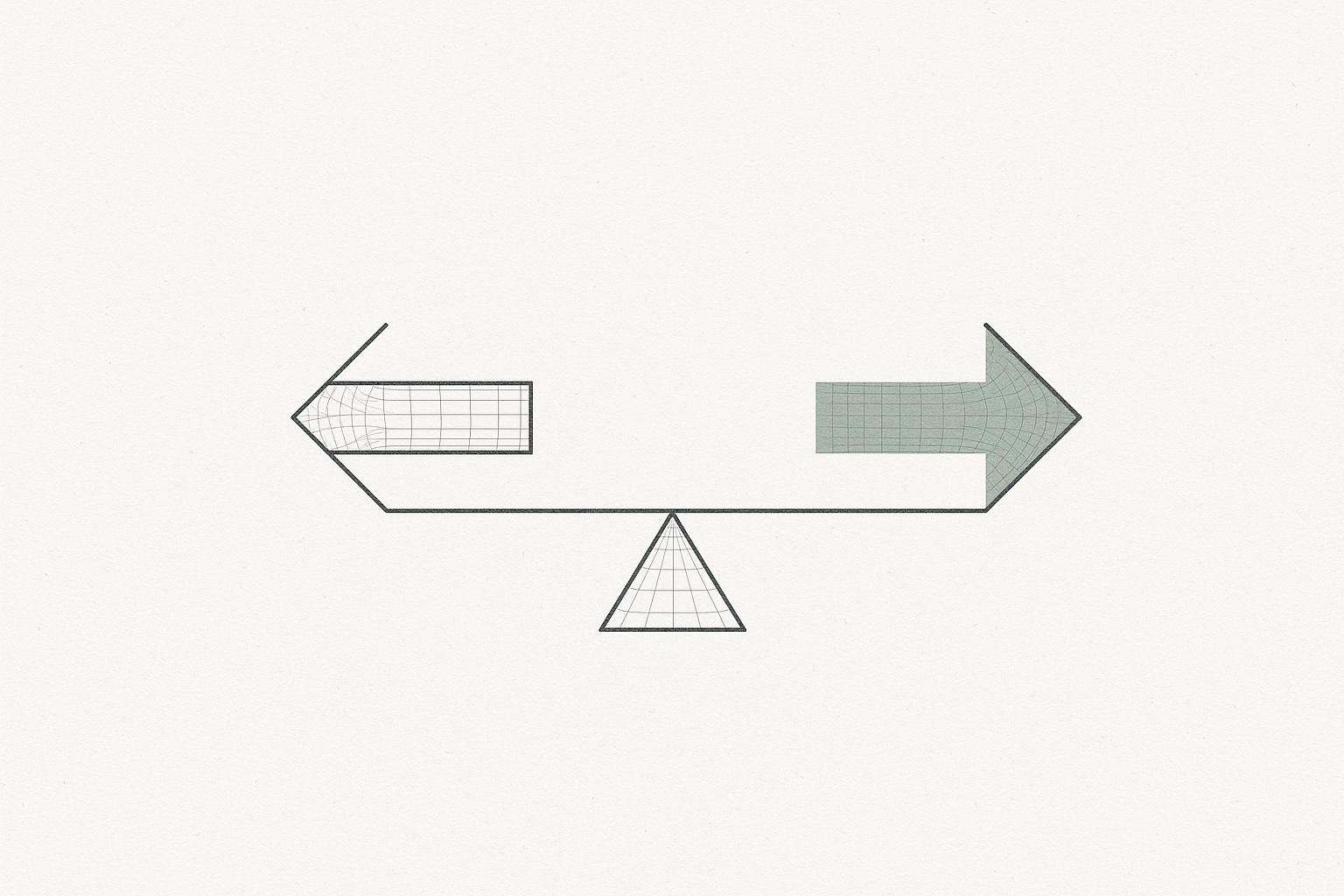
Body Recomposition: Why the Scale Misses It
A 2026 EJAP trial shows fat loss and muscle gain happening together while the scale stays flat. Here's what the DXA data found and why it matters.
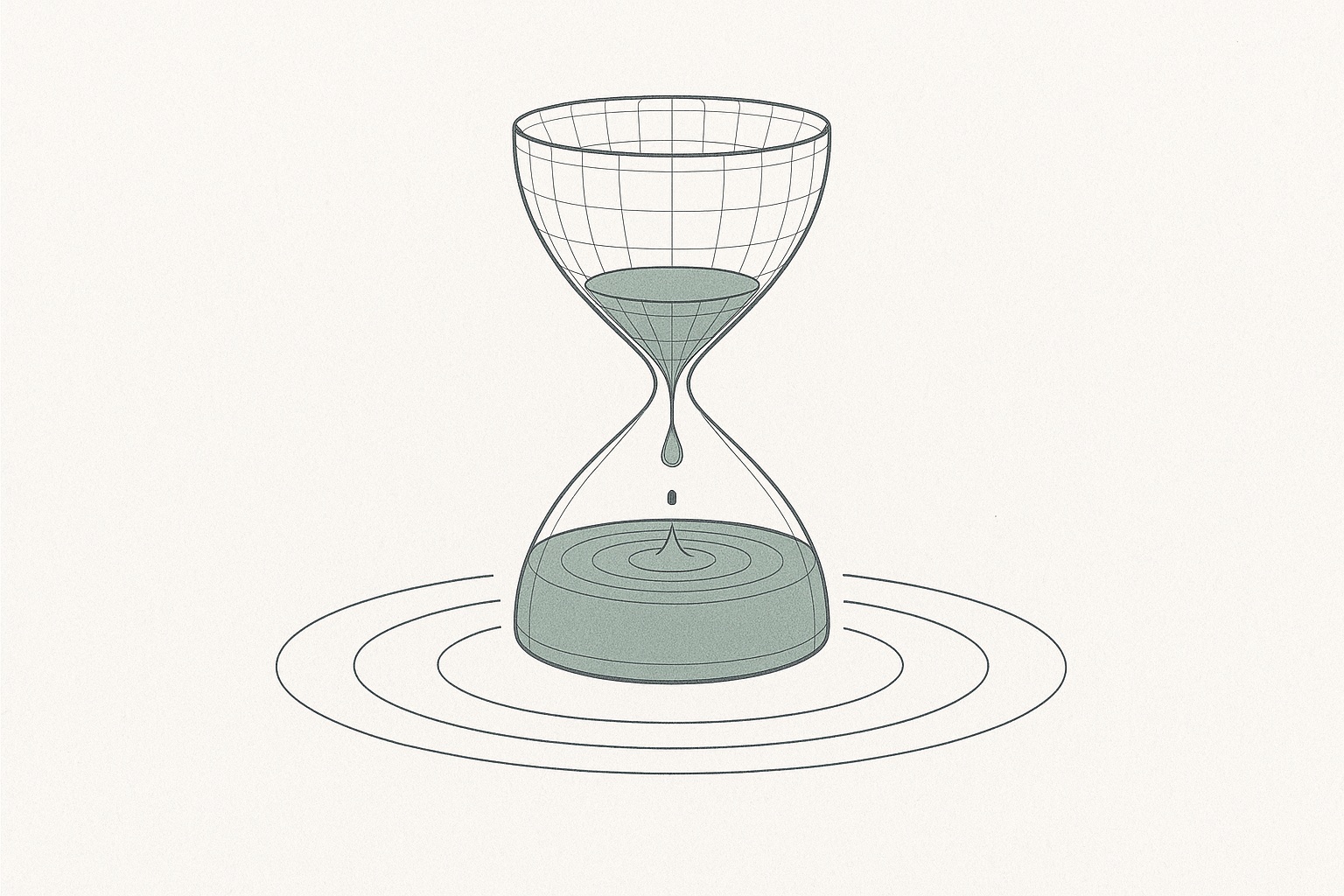
How Much Muscle Runners Lose in a Marathon
A 2025 study measured runners before and after a marathon and ultramarathon. Muscle loss was minimal — most of the scale drop was water and fat.
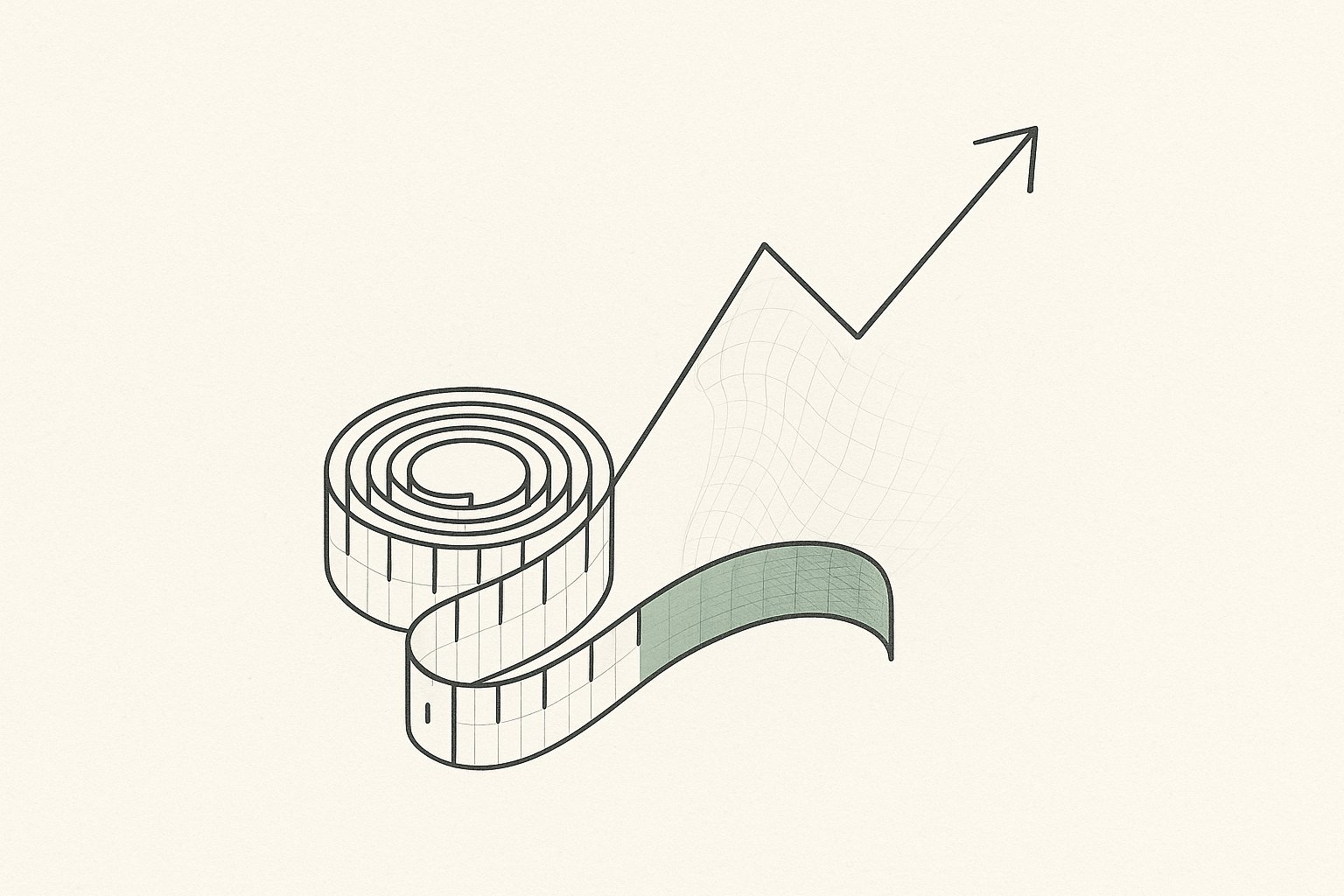
Progress Photos vs Measurements: What Tracks Change
A 2023 study compared photo-based 3D body scans to DXA. Here's what it found about tracking real change over weeks, not just snapshots.
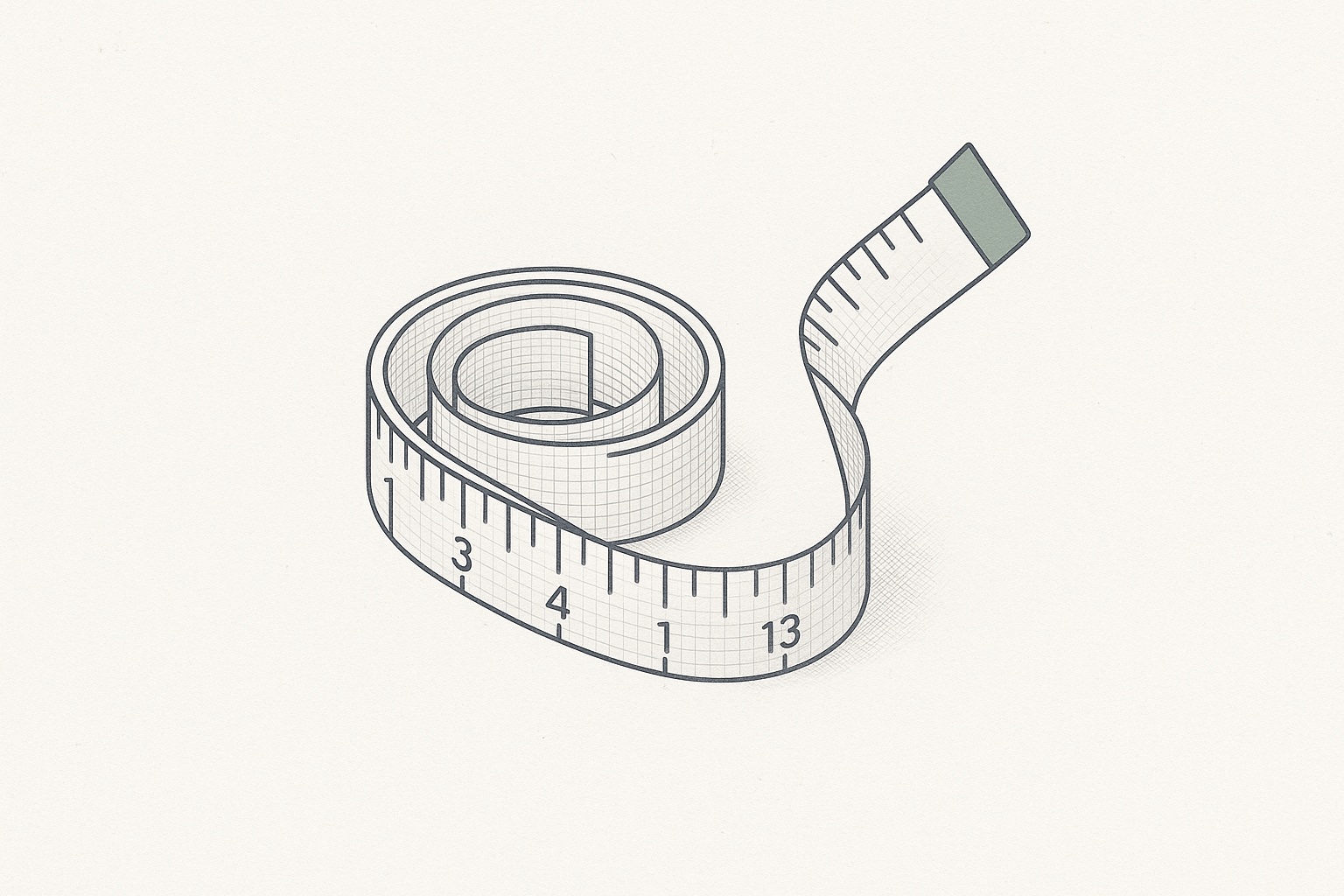
Why Waist Circumference Predicts Health Better Than BMI
A large cohort study in PLOS ONE (2011) found waist circumference predicts mortality risk beyond what BMI shows. Here's what it found.