Body fat percentage pictures
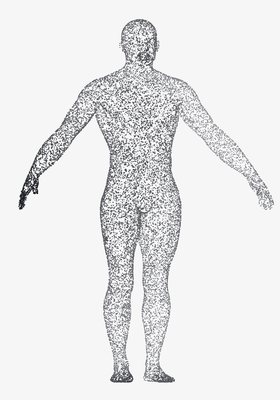
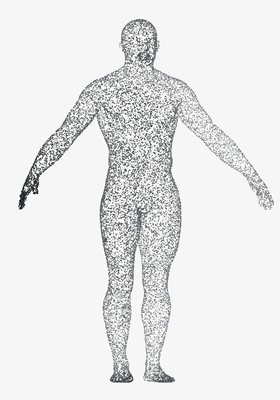
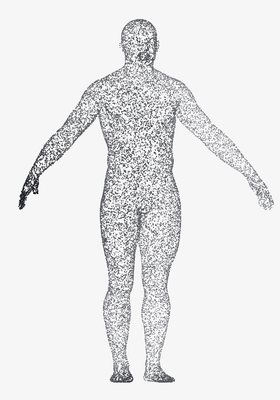
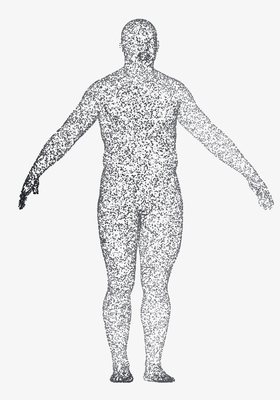
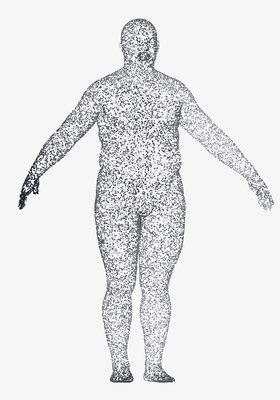
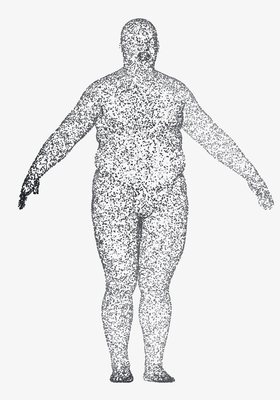
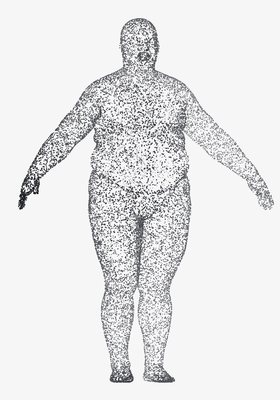
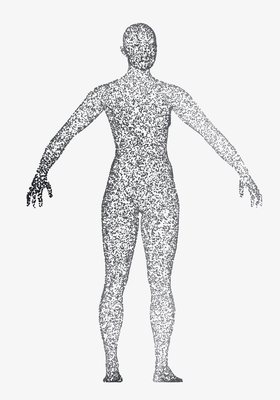
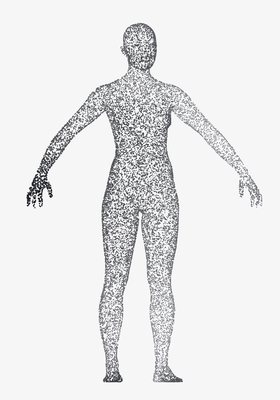
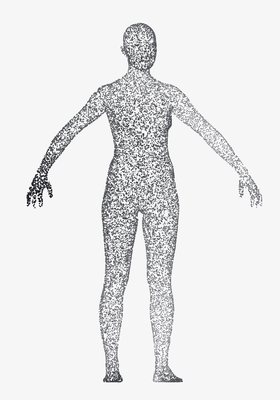
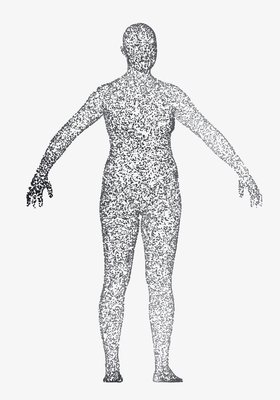
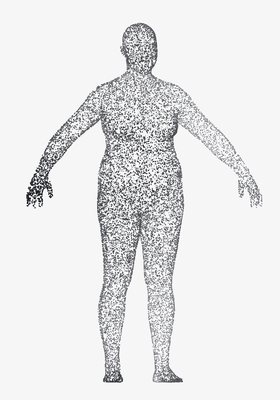
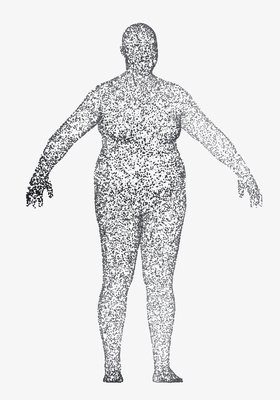
What does 15% body fat look like? Or 25%, or 35%? These 3D bodies, generated from Trainr's body model, show how shape changes as body fat goes up — for men and for women — with what each range typically means.
Why pictures are only half the answer
Two people at the same body fat percentage can look very different. Where you store fat (stomach, hips, thighs) depends on sex, genetics and age, and more muscle makes the same fat percentage look leaner. Lighting, posture and a pump can change a photo by several 'percent' on their own.
Use the pictures to place yourself roughly, then put a number on it with the body fat calculator. The number gives you something to track; the picture gives you context.
Why women's ranges are higher
Women carry more essential fat — about 10–13% of body weight, against 2–5% for men — for hormonal and reproductive function. That's why 25% looks fit on a woman and 25% looks above average on a man. Compare yourself with your own column, never the other one.
The ranges here follow the American Council on Exercise chart: for men, athletic is roughly 6–13% and average 18–24%; for women, athletic is roughly 14–20% and average 25–31%.
How these bodies were made
The figures are rendered from the same 3D body model Trainr uses for scans, with fat and muscle shape adjusted for each level. They're illustrations of typical shape change, not photos of real people and not a diagnostic standard.
See your own body, not a chart
Trainr turns two photos into a 3D model of your body with body fat and measurements — then shows how it changes week to week. The first scan is free.
See your body in 3D — freeCommon questions
What does 20% body fat look like on a man?
Usually a flat-ish stomach without visible abs, a softer waist and little muscle separation. It sits in the 'average' range for men on the ACE chart.
What does 30% body fat look like on a woman?
Typically a softer stomach and fuller hips, thighs and upper arms. For women, 25–31% is the ACE 'average' range.
Can I estimate my body fat from a photo?
Roughly, by comparison — but people tend to underestimate. A tape-based calculator, or a scan that measures your shape, gives a number you can repeat.
At what body fat do abs show?
Often around 10–12% for men and 16–20% for women, but it depends on how much ab muscle you have and where you store fat.
Find your column, place yourself roughly, then measure — the number is what you can track.
Sources
- American Council on Exercise. Percent body fat norms for men and women. https://www.acefitness.org/resources/everyone/tools-calculators/percent-body-fat-calculator/
More free tools
Trainr is a wellness tool, not a medical device. These calculators give estimates for self-tracking, not a diagnosis. For medical questions, talk to a professional.